You spot a painting at a weekend studio tour. It's better than anything on a furniture store wall, the artist is standing right there, and the price is fair. Three weeks later it's leaning against the wall behind the sofa because it looks wrong in the room. Most art regret has nothing to do with the art. It comes from scale, light, and framing — the three things a studio's white walls and tall ceilings quietly hide from buyers. The fixes are small: a tape measure, a phone photo, and a few better questions before you pay.
Scale Is the Mistake Almost Everyone Makes
A 12-by-12-inch canvas looks confident in a booth surrounded by smaller work. On a nine-foot wall above a seven-foot sofa it looks like a postage stamp. The reverse happens too: a large piece bought for a wall that turns out narrower than you remembered, crowding the corner and swallowing the room.
A useful starting point: art hung above a piece of furniture should span roughly two-thirds to three-quarters of that furniture's width. Above a 72-inch sofa, that means about 48 to 54 inches across, whether that's one canvas or a group of three. On a bare wall, the art should fill a comfortable share of the width without crowding the trim.
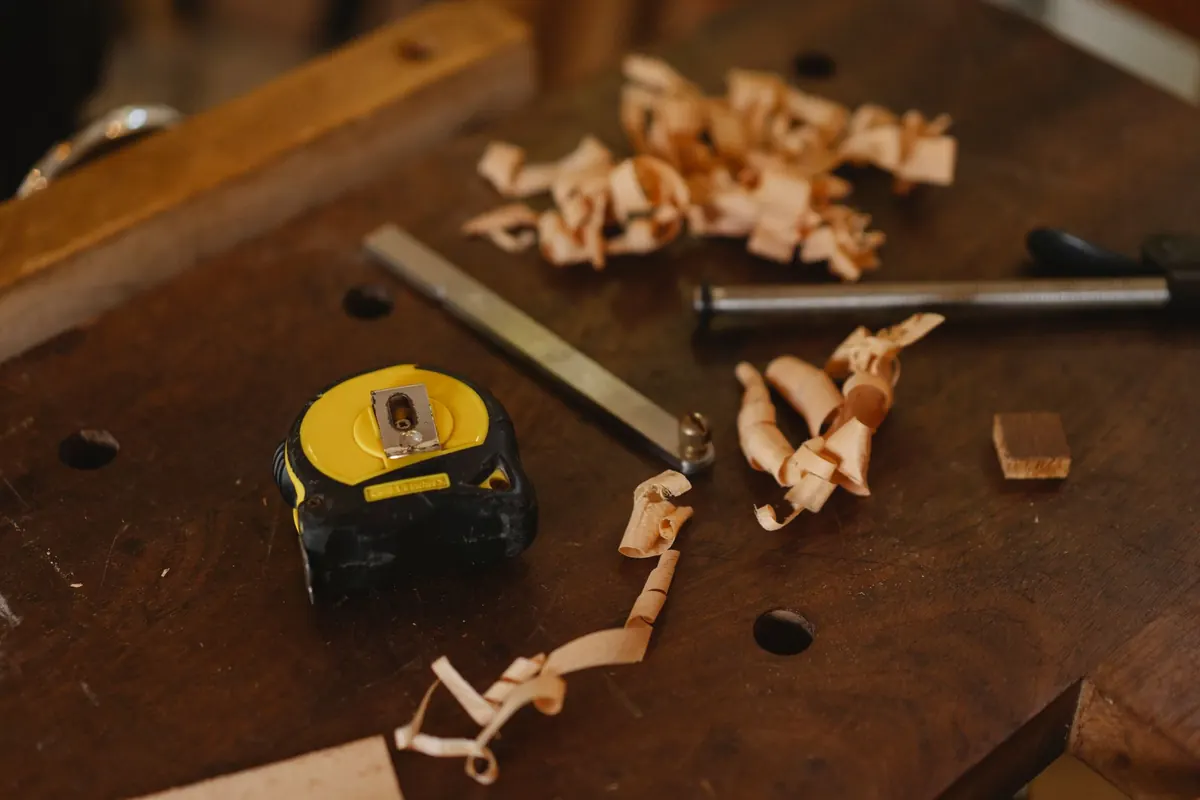
Before you shop, measure the wall and write down its width, its height, and the distance from ceiling to floor. Then do the thing most buyers skip: mark the dimensions on the actual wall with painter's tape or a cardboard template and leave it there for a day. Ten minutes of tape tells you more than any photo.
Two habits help in the moment. Hold your hand or your bag beside the artwork and take a photo so you have a scale reference later. And remember that a piece surrounded by forty others reads very differently from the same piece alone on your wall.
The Light in the Studio Is Not the Light in Your Living Room
Studios tend to have high ceilings, pale walls, and good daylight. Your hallway has a warm bulb and no windows. A deeply saturated oil painting that glowed at the artist's space can go muddy in a dim corridor; a pale watercolor can vanish against a cream wall or sit in direct sun until the paper yellows.
Before buying, ask how the work was lit when you saw it. Then check your own space:
- Bulb color. Warm 2700K bulbs pull reds and yellows forward and mute blues. Something closer to 3000–4000K reads more like neutral daylight.
- Direction. A window opposite the wall creates glare on glossy surfaces and glass. A dark corner needs its own light source.
- Time of day. Photograph your wall at the hour you'll actually sit near it.
- Sun. Works on paper, photographs, and textiles fade in direct sun. UV-filtering glazing slows fading; it doesn't stop it.
If the piece is dark and the room is dim, plan for a picture light or accept that you'll mostly see it under lamplight in the evening. Either is fine. Not knowing in advance is where regret starts.
Framing Costs More Than Most People Expect
Custom framing is skilled work, and for a modest print it can cost as much as the print did. That's not a reason to skip it — it's a reason to price it before you commit. Non-standard sizes cost more because every piece is cut and joined to order.
A few things worth knowing:
- Never trim or dry-mount a signed print to fit a cheap frame. You'll destroy whatever resale value it had.
- Mats and spacers keep paper off the glass. Contact invites condensation and sticking.
- Glass is heavier and can break; acrylic is lighter and safer, but it scratches and carries static that can lift pastel or charcoal dust.
- UV glazing reduces fading but doesn't eliminate it. Keep sun-facing walls in mind.
- Ask whether the piece is framed or unframed. Plenty of local artists sell unframed to keep prices down. That's normal, not a warning sign.
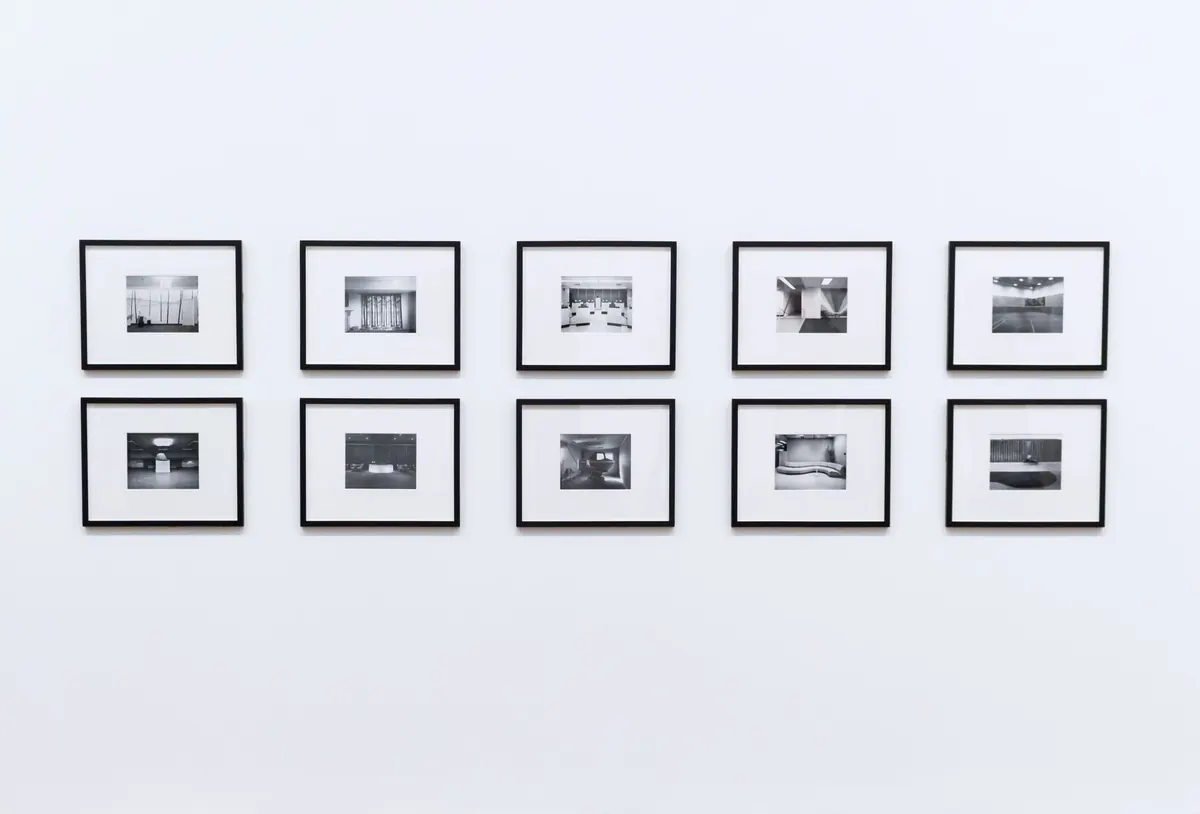
If the budget is tight, spend on custom framing for the piece you love and use ready-made frames in standard sizes for the rest. Keep the styles related — similar wood tones or profiles — so a wall of art doesn't look like a yard sale.
Hanging Height: Too High Is the Default Error
Standing on a ladder, everything looks too low, so people hang high and the art floats above the furniture like a hotel lobby print. The usual guideline is to center the artwork around 57 to 60 inches from the floor. Above a sofa, console, or bed, leave six to ten inches between the furniture's top edge and the bottom of the frame. With tall furniture and high ceilings you can go a little higher, but anchor the
Photo: Dom J / Pexels